

Ena’s Little Black Book on Elephant Pepper Camp Mara, a private conservancy stay, breakfast with hippos, and the quiet of having an entire safari camp to yourself.
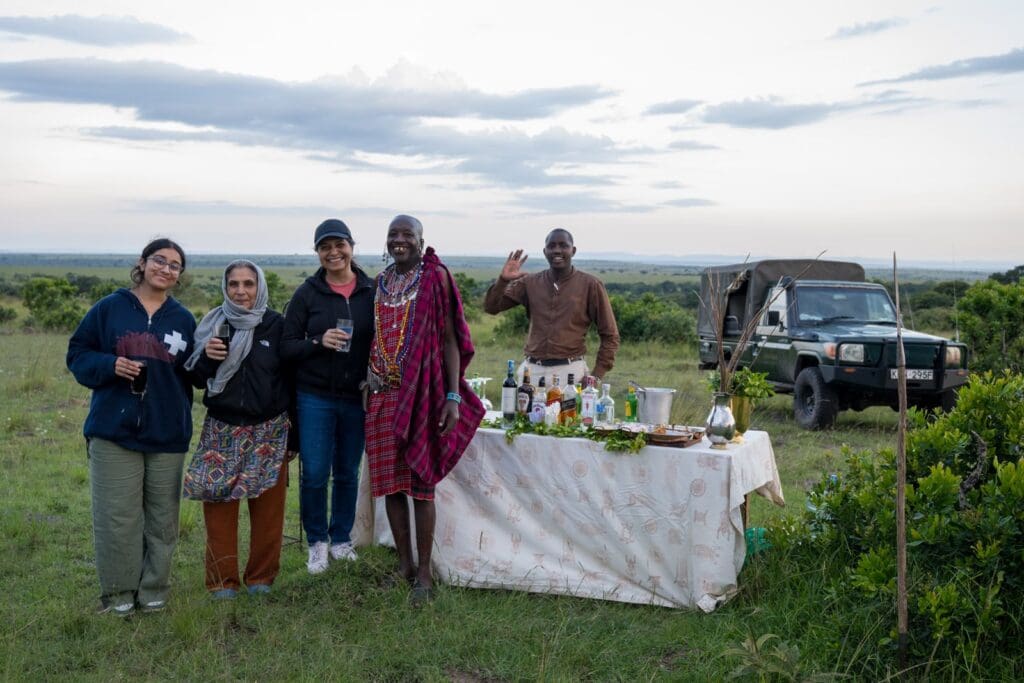
The quiet that comes with having an entire camp to yourself is something else entirely.
Tucked beneath a grove of elephant pepper and fig trees in the private Mara North Conservancy, one of only eleven camps permitted to operate here, Elephant Pepper is about as far from the tourist trail as a luxury safari camp can get. The conservancy enforces strict limits on how many vehicles can be near any sighting, which means the game is yours and yours alone. When we arrived, we were the only guests. The silence that settles over a camp like that, in the middle of the African bush with no one else for miles, is genuinely difficult to describe.
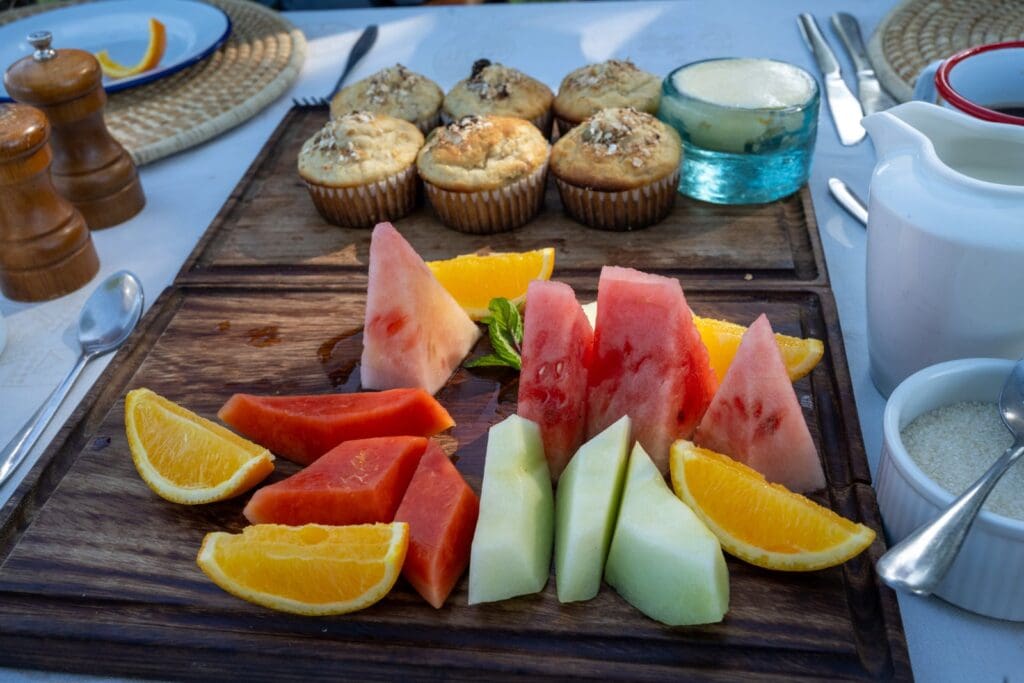
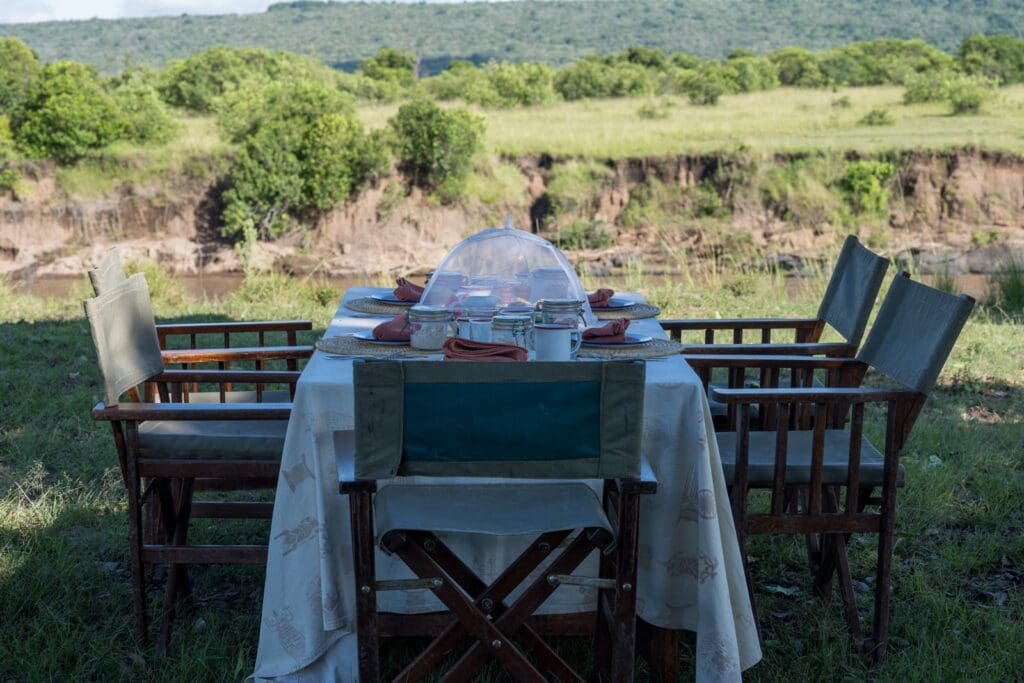
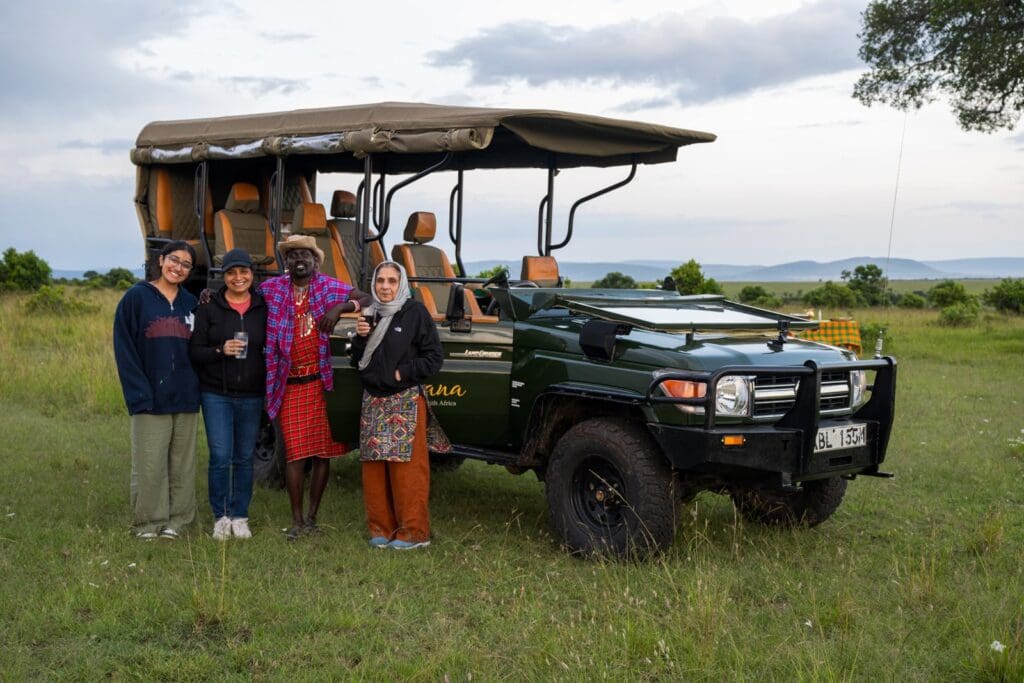
Sammy has guided in this area his entire life, and it shows in the way he reads the land, where to position the vehicle, when to wait, when to move. He drove us to a spot in the bush where we sat ten feet from a huge pride of lions lazing in the evening sun, the cubs rolling around pestering the adults, nobody paying us any attention at all. The next morning he set up breakfast at the edge of the river with a pod of hippos on the other side, entirely unbothered, doing what hippos do. It is the kind of morning that recalibrates you.
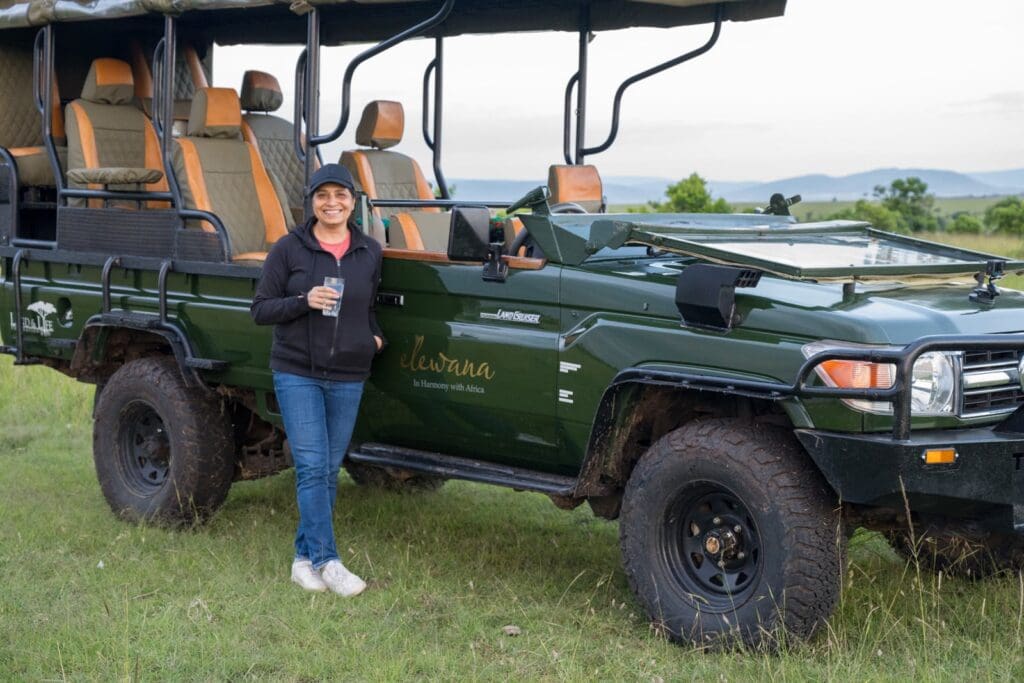
The tents are spacious and elegantly appointed in the style of the early safari era, canvas walls, dark wood, brass fittings, lanterns, a private veranda overlooking the plains. Everything is fully inclusive. The food leans Italian and is far better than you might expect in the middle of the bush. At night, with no light pollution and the sounds of lion and hyena carrying across the conservancy, you fall asleep understanding exactly where you are.
Insider note
Arrange Sammy as your guide if you can. Ask specifically for a bush breakfast by the river. It is not to be missed. Two nights minimum. One is not enough.
Destination · Mara North Conservancy, Kenya
Best time to visit · The Mara rewards visits year-round. July – October brings the Great Migration and river crossings. January – March offers excellent big cat activity and quieter camps. May – June turns the landscape lush and green, shoulder season pricing and the best chance of having a camp to yourself. October – January captures the tail of the migration, the short green season, and calving on the plains.
share to


